Cybersecurity Services for Small Businesses: Protect Your Data in 2026
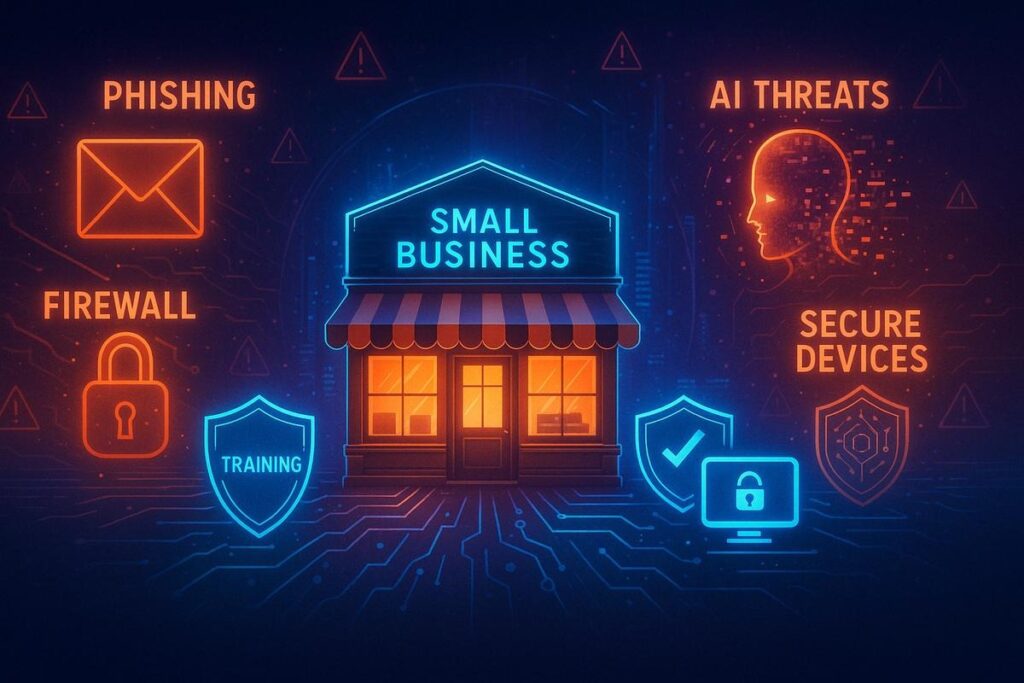
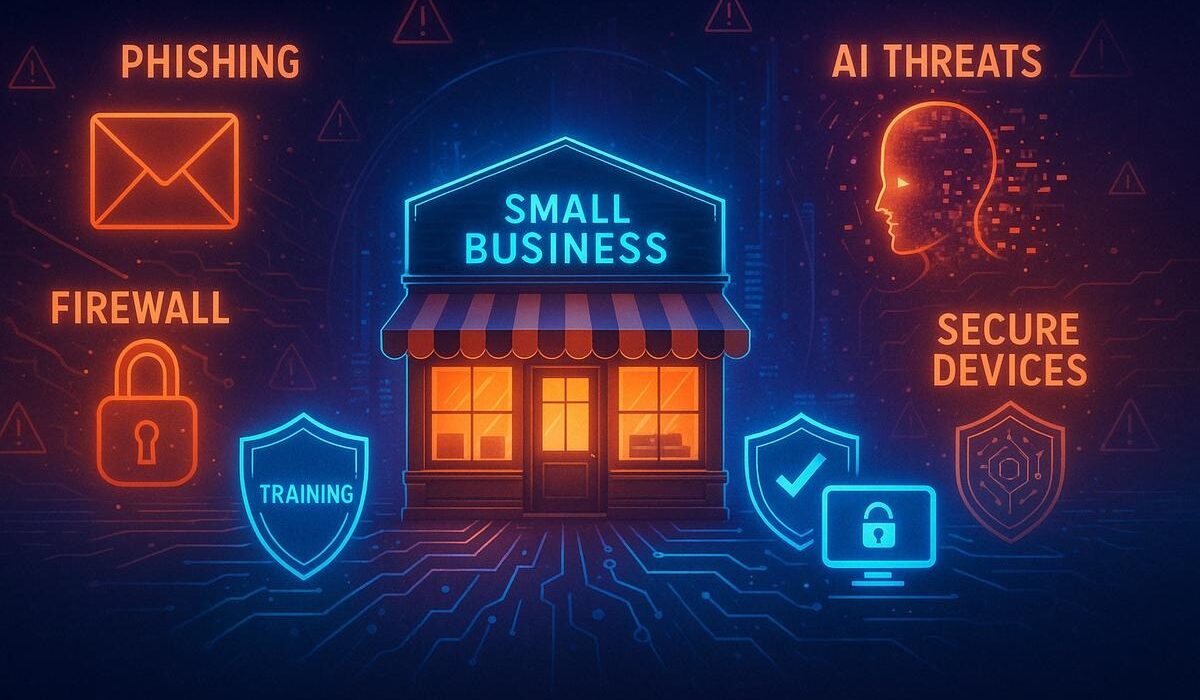
Cybersecurity is no longer a concern reserved for large enterprises. In 2026, small businesses are increasingly becoming prime targets for cybercriminals due to limited IT resources, growing digital footprints, and the widespread adoption of cloud-based tools.
Why Cybersecurity Matters for Small Businesses
Many business owners believe that cybercriminals only target large organizations. Unfortunately, attackers often view small businesses as easier targets because they may lack dedicated security teams and formal security policies.
Common consequences of cyberattacks include:
- Data loss
- Downtime and business interruptions
- Financial penalties
- Customer trust issues
- Legal and compliance challenges
- Recovery and remediation costs
Organizations such as NIST recommend that small businesses adopt foundational cybersecurity practices as part of their overall risk management strategy.
The Top Cybersecurity Threats in 2026
1. AI-Powered Phishing Attacks
Cybercriminals are increasingly using AI tools to create highly convincing phishing emails and messages that are difficult to distinguish from legitimate communications. (Ignition IT)
Warning signs include:
Unexpected requests for sensitive information
Suspicious links
Urgent payment demands
Login requests from unknown sources
Employee awareness remains one of the most effective defenses against phishing.
2. Ransomware
Ransomware attacks encrypt business data and demand payment for its release. Small businesses are particularly vulnerable because many lack:
- Tested backups
- Incident response plans
- Advanced endpoint protection
Recent industry reports indicate that ransomware continues to be one of the most significant threats facing SMBs globally.
3. Weak Password Security
Weak or reused passwords remain a leading cause of compromised accounts.
Best practices include:
Using password managers
Enforcing strong password policies
Enabling Multi-Factor Authentication (MFA)
Regular credential reviews
Community discussions among cybersecurity professionals consistently rank MFA as one of the most important protections for small businesses.
4. Outdated Software
Unpatched software vulnerabilities are frequently exploited by attackers.
Businesses should maintain:
- Regular software updates
- Automated patch management
- Vulnerability assessments
- Inventory of business applications
Cybersecurity experts increasingly emphasize that reducing exposure is just as important as patching quickly.
Essential Cybersecurity Services for Small Businesses
Security Assessments
Security assessments identify vulnerabilities before attackers can exploit them.
Typical assessments include:
- Website security reviews
- Network evaluations
- Cloud security assessments
- Application testing
- Risk analysis
Endpoint Protection
Every device connected to your business network should be protected.
Endpoint security helps safeguard:
- Laptops
- Desktops
- Mobile devices
- Servers
Modern endpoint solutions provide real-time monitoring and threat detection.
Why Choose Technolync?
Technolync helps businesses strengthen their digital presence while keeping security at the forefront.
Services Include:
- Website Development
- Web Application Development
- Digital Marketing
- Cybersecurity Consulting
- Cloud Solutions
- Mobile App Development
- Software Development
- Website Maintenance
Businesses can also explore Technolync’s website development and software services to ensure security is considered throughout the entire digital lifecycle.
FAQs
1. Why are small businesses targeted by cybercriminals?
Small businesses often have fewer security resources, making them attractive targets for phishing, ransomware, and account compromise attempts.
2. What is the biggest cybersecurity threat in 2026?
AI-powered phishing and ransomware remain among the most significant cybersecurity threats facing businesses in 2026.
3. Is cybersecurity expensive for small businesses?
Not necessarily. Many effective cybersecurity practices—such as MFA, employee training, and regular backups—can be implemented affordably.
4. What is Multi-Factor Authentication?
MFA adds an extra layer of security by requiring additional verification beyond a password, such as a mobile authentication code.
5. Should small businesses outsource cybersecurity?
For many SMBs, outsourcing cybersecurity services can provide access to expertise and monitoring capabilities without hiring an in-house team.
Conclusion
Successful software development projects require careful planning, clear communication, user-focused design, rigorous testing, and a commitment to quality throughout the development lifecycle. By following proven best practices, businesses can reduce risks, improve project efficiency, and create software solutions that deliver lasting value.
Whether developing a custom application, enterprise platform, or digital product, adopting a structured approach ensures better outcomes and greater return on investment.
Explore our services: https://technolync.com/services/